本文
久高島に着いたときには、ズボンがびしょびしょになっていた。
高速船は思ったより速く、波も高かった。
船はかなり揺れて、気づけば海水をかぶっていた。
でも、それもなんだか楽しかった。
島に着くと、ツアーの観光客がたくさんいた。レ
ンタサイクルに乗る人も多かったけれど、私は歩くことにした。
自転車に乗ると、どうしても観光の流れに乗ってしまう。
それよりも、自分の歩く速度で島を感じてみたかった。
港から島の端まで、のんびり歩く。
浜を見たり、道を眺めたりしながら歩いていたら、
片道で1時間半くらいかかっていた。
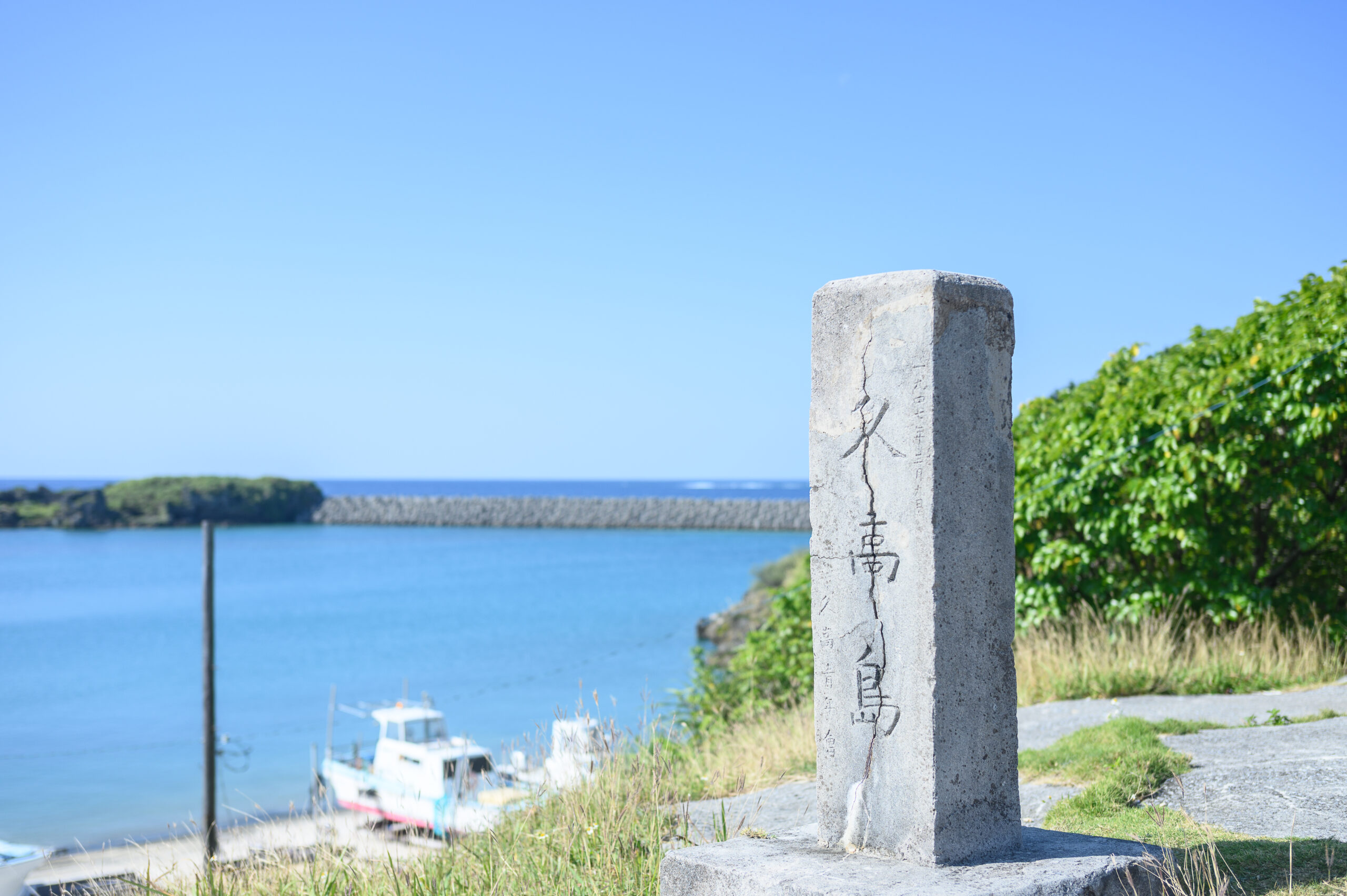
海は、本当にきれいだった。
沖縄本島のすぐ近くなのに、宮古島に来たのかと思うくらいの色をしている。
今回撮った写真も、ほとんどが海の写真だ。海
がきれいな写真。
正直に言うと、
それで終わってしまっている。
でも途中から、少し思った。
「海がきれいだな」で終わるのは、なんだか違う気がする。
久高島は「神の島」と呼ばれている。
祈りの場所があり、
神事があり、
文化がある。
でもそれは、
神社のような建物にあるというより、自然そのものの中にある。
森や岩や浜、そして海。
そういう場所すべてが祈りの場所になっているような島だった。
昼ごはんを食べたあと、帰りの船まで少し時間があったので集落を歩いていた。
港の見える小高い場所にベンチがあって、そこにおじいが二人、ゆんたくしていた。
「ここ座っていいですか?」
そう聞くと、「いいよ」と言ってくれた。
しばらくすると隣におじいが座ってきて、久高島のことをいろいろ教えてくれた。
イラブー(ウミヘビ)の話。
若い人が減ってきていること。
学校の先生の住宅がきれいなこと。
島の若い人は、観光客や先生と結婚することが多い、という話も聞いた。
とてもいい時間だった。
でもそのとき、私はカメラを持っていたのに写真を撮らなかった。
というより、撮れなかった。
この島では、「撮っていいのかどうか」がとてもわかりづらい気がした。
観光の写真としてシャッターを切るのではなく、
人の暮らしの中にカメラを向けるということ。
それを衝動的にやることに、少し抵抗が生まれていた。
おじいが教えてくれた資料館にも行ってみた。
そこには、久高島の祭祀や文化を記録した写真が残されていた。
撮影していたのは写真家の
比嘉康雄さん。
もともとは警察官で、仕事の中でカメラを持ったことがきっかけで写真を始めたという。
その後、久高島に100回以上通い、祭祀や祈りの文化を撮影し続けた。
写真は作品としてだけではなく、
文化の記録として残されていた。
それを見ながら思った。
こういう写真がいいなと思った。
写真がただの作品として残るのではなく、文化の記録として残っている。
その人は2000年に亡くなったそうだ。
でも写真は今も、こうして資料館に残っている。
今回の旅は、正直に言うと少し不完全燃焼だった。
海はきれいだった。
自然も素晴らしかった。
でも、本当はもっと知りたかった。
この島に残っている祈りや文化、歴史。
それを知るには、やっぱり人と話すしかない。
そしてそれは、日帰りではなかなか難しい。
お酒を飲みながら話をしたり、
何度か通ったりして、信頼関係ができていく中で、
少しずつ教えてもらえるものなんだと思う。
とはいえ、今回の旅は失敗ではない。
ただ、まだ入口に立っただけだった。
次に来るときは、泊まりで来ようと思う。
もう少しゆっくり、この島の時間の中に入ってみたい。
⸻
このシリーズの他の記事はマガジンからご覧ください。
活動やプロフィールはこちら
https://yoshihiro-hirose.org
⸻
掲載している写真および文章の著作権は
すべて撮影者に帰属します。
無断転載・複製・使用はお断りしています。
なお、写真の掲載について
ご都合等の問題がございましたら、
速やかに対応いたしますので、
下記までご連絡いただけますと幸いです。
info@yoshihiro-hirose.org
写真-PHOTOS-

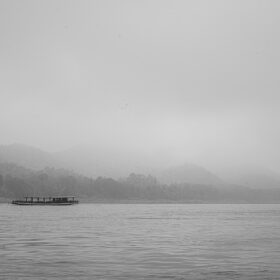
フェリーもあります。

水しぶきがすごい。

もう最高に楽しい。

生活と祈りの場所で
「リゾートyeah」
になってしまう人もいるのだろうか。。。


木漏れ日を美しく演出していた。

こういうのを読むのが好き。

ここも祈りの場。


ここまでゆっくり1時間半くらい歩いた。

しかし、ここは聖地。
遊泳禁止である。


あまり整備しなくていいのにとか思ってしまう。

本当に静か。
こういうところに住みたい。


「写真撮ってもいいですか?」
と聞いたら、
停止してこの顔をしてくれた。

で終わってしまった。
ENGLISH
The Day I Went to a Sacred Island and Ended Up Saying Only “The Sea Is Beautiful” — Kudaka Island (March 11, 2026)
By the time I arrived on Kudaka Island, my pants were completely soaked.
The high-speed boat was faster than I expected, and the waves were high. The boat rocked a lot, and before I knew it, I was getting splashed with seawater. But somehow, that was part of the fun.
When I arrived on the island, there were quite a few tour groups. Many people rented bicycles, but I decided to walk. If you ride a bike, you easily fall into the rhythm of sightseeing. I wanted to feel the island at my own pace.
I walked slowly from the port toward the far end of the island, stopping to look at the beach and the quiet roads. It took about an hour and a half one way.
The sea was truly beautiful.
Even though Kudaka is right next to Okinawa’s main island, the color of the water looked almost like Miyako Island. Most of the photos I took were of the sea—beautiful sea photographs.
To be honest, that’s where it ended.
But after a while, I started to feel something.
Ending with just “the sea is beautiful” didn’t feel quite right.
Kudaka Island is called the Island of the Gods. There are sacred rituals, places of prayer, and a long cultural tradition. But these things are not gathered in buildings like shrines. They seem to exist within nature itself.
The forests, the rocks, the beaches, and the sea. The whole island felt like a place of prayer.
After lunch, I still had some time before the return boat, so I walked through the village.
On a small hill overlooking the port, there was a bench where two elderly men were chatting.
“Is it okay if I sit here?”
“Sure,” they said.
After a while, one of them sat next to me and began telling me about Kudaka Island. He talked about irabu (sea snakes), about how the number of young people on the island has been decreasing, and about the houses built for school teachers.
He also mentioned that many young people on the island end up marrying tourists or teachers who come to work there.
It was a really nice moment.
But even though I had my camera with me, I didn’t take a photo. Or rather, I couldn’t.
On this island, it felt difficult to know whether it was okay to take pictures or not. Pointing a camera at someone’s life is different from taking sightseeing photos. I felt a hesitation about doing it impulsively.
Later, I visited a small museum that the old man had told me about.
Inside were photographs documenting Kudaka Island’s rituals and culture.
They were taken by the photographer Yasuo Higa.
He had originally been a police officer and started photography after using a camera for work. Later, he visited Kudaka Island more than a hundred times, continuing to photograph its rituals and traditions.
His photographs were not only artworks—they were records of culture.
Looking at them, I thought: this kind of photography is beautiful.
The images remain not just as artistic works, but as cultural memory. He passed away in 2000, but his photographs still remain there in the museum.
To be honest, this trip felt a little incomplete.
The sea was beautiful. The nature was stunning. But I wanted to know more.
The prayers, the culture, the history that live on this island.
To understand those things, you have to talk with people.
And that’s difficult on a day trip. It probably takes time—drinking together, visiting more than once, slowly building trust before people begin to share their stories.
So this trip wasn’t a failure.
I just realized that I was only standing at the entrance.
Next time, I want to stay overnight.
I want to spend a little more time inside the rhythm of this island.
—
Other articles in this series can be found in the magazine.
For activities and profile:
https://yoshihiro-hirose.org
—
All photographs and texts published here are copyrighted by the photographer.
Unauthorized reproduction, duplication, or use is strictly prohibited.
If there are any concerns regarding the publication of photographs, please feel free to contact me and I will respond promptly.
info@yoshihiro-hirose.org